
Electrochemotherapy: a safe and effective option for treating skin cancer
A precise outpatient treatment designed to improve your quality of life, even when other options have not worked.
What can electrochemotherapy treat?
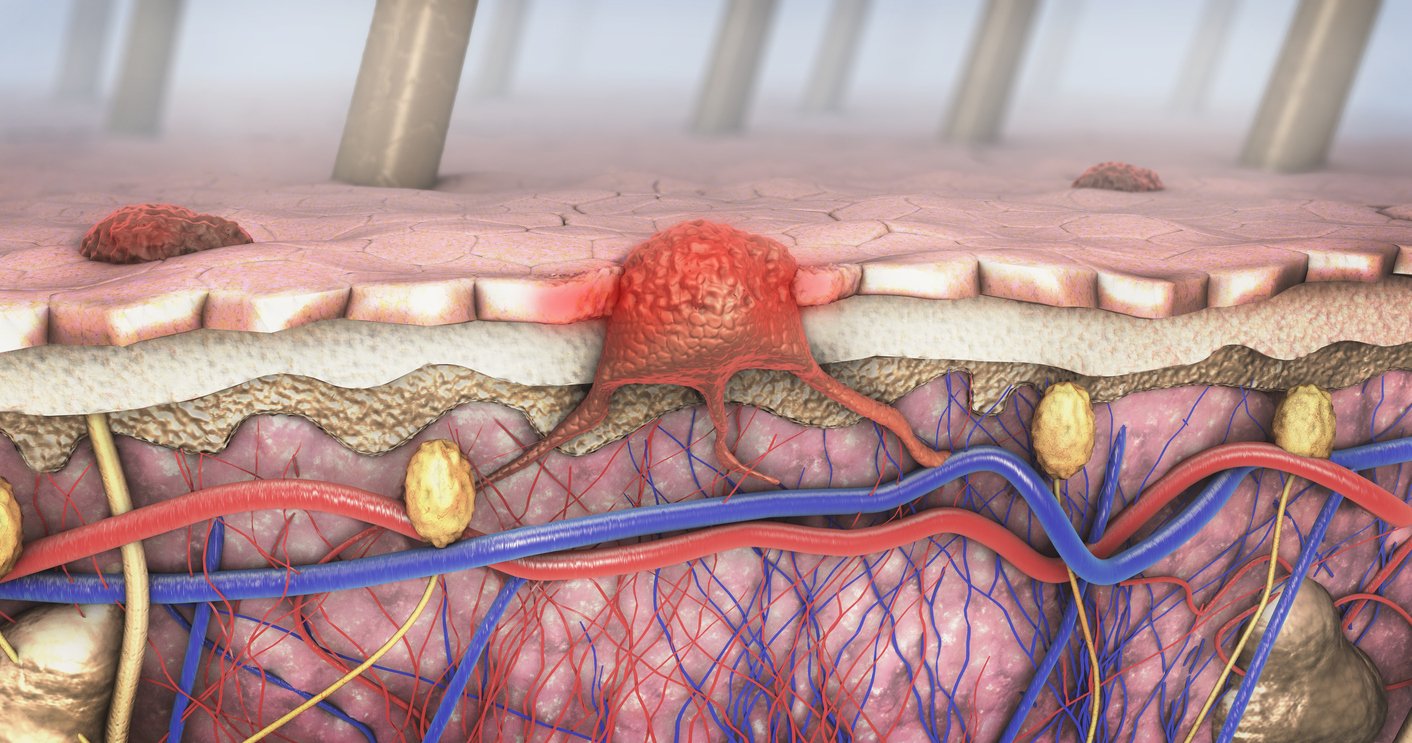
Electrochemotherapy is a treatment option for patients with cancer in or just beneath the skin, including lesions in specific areas such as the mouth or the anogenital region. In some cases it can also treat benign growths such as keloids or hypertrophic scars.
It can treat lesions in many parts of the body and many tumor types, although some areas may offer greater clinical benefit depending on the case.
By body area

Head and neck
The head and neck contain very sensitive structures that are essential to daily life. Electrochemotherapy offers particular advantages here because it spares healthy tissue and preserves function, with a short recovery.
Scalp
Tumors here often require complex surgery with long recovery times. When a person is not fit for surgery or for its recovery, electrochemotherapy is an excellent option.
Eyelids
Even small lesions can be hard to treat or require wide margins. Electrochemotherapy can treat extensive tumors, or those involving the first part of the tear duct, with very good results.
Nasal ala
This location is especially sensitive because it deeply affects appearance. Electrochemotherapy spares healthy tissue and treats these tumors while preserving appearance as much as possible.
Ears
Ears pose a cosmetic and a functional challenge: they take part in hearing and even in something as ordinary as holding glasses. Sparing healthy tissue is key to preserving their function and appearance.
Mouth
Treating the mouth is always challenging because of its complex anatomy and the many structures that may be involved. Special electrodes are available for tumors that are very hard to reach in this area.
Neck
The neck is a complex region with important, delicate structures. It can be treated with imaging guidance to protect deeper structures.

Limbs and trunk
The limbs and trunk are central to mobility, function and everyday life. Lesions here can seriously affect independence, work and quality of life, especially when they require long treatments or complex recoveries.
Electrochemotherapy provides effective, localized treatment that spares healthy tissue, speeds up recovery and supports an early return to usual activities.
Hands
Hand lesions have a large impact on daily life, appearance and work. Electrochemotherapy is a fast, effective way to get back to everyday tasks quickly.
Soles of the feet
This area is vital for walking. Large or deep lesions require long recoveries; electrochemotherapy offers a faster alternative that restores mobility as soon as possible.
Anogenital area
This is an extremely sensitive area, important for intimacy and quality of life.
Many patients decline other therapies because of the functional consequences they can cause here, which limits acceptance of conventional options.
The tissue sparing offered by electrochemotherapy is key to making treatment acceptable while preserving the patient's function and quality of life.
By lesion type

Basal cell carcinoma
The most common type of skin cancer. It arises from the basal cells of the epidermis and usually appears on sun-exposed areas such as the face, neck and hands, as a pearly bump, a reddish patch or a sore that does not heal.
It grows slowly and rarely spreads, but it can invade nearby tissue if left untreated. In the European Union, electrochemotherapy may be considered a first-line option in selected cases, thanks to its high response rate and low side-effect profile.

Squamous cell carcinoma
The second most common type of skin cancer. It arises from squamous cells and is usually linked to long-term sun exposure. It most often appears on the face, hands, ears or lips as red patches, nodules, ulcers or crusts that do not heal.
Although it generally grows slowly and is treatable, it can invade deeper tissue if not detected in time. Electrochemotherapy is an excellent alternative when surgery or radiotherapy is complex or not accepted because of its functional or cosmetic consequences.

Melanoma
The most aggressive type of skin cancer. It arises from melanocytes and, although less common, can spread quickly if not detected in time.
Electrochemotherapy becomes relevant when other therapeutic options have been exhausted and is particularly effective in patients who are receiving or have received immunotherapy.

Keloids
Scars that overgrow beyond the original wound because of an excessive healing response. They can cause itching, pain or cosmetic discomfort.
In selected cases, electrochemotherapy can be a very effective option, especially for keloids on the ears.
Other
Because electrochemotherapy acts on tissue with uncontrolled growth, its use can be considered for other benign or malignant lesions, assessing each case individually.
Could it help me?
It is usually considered when the lesion is bothersome, bleeds or hurts, when it is in an area where appearance or function matters, when surgery is not possible or when other treatments have not worked.
Answer four questions. If electrochemotherapy could be an option for you, we will prepare the message so you can contact our team.
A treatment designed around your daily life
Home the same day
It takes less than an hour, with no hospital stay, and you return to your activities within a few days.
Usually a single session
The lesion shrinks over the following weeks and the response starts to become evident at around 30 days.
Cares for your skin and appearance
It spares healthy tissue, which matters in areas such as the face, ears or hands.
The process, step by step
We want you to know what happens at each stage of treatment.
Case assessment
We review the lesion, your medical history and previous treatments, and decide whether electrochemotherapy is right for you.
Technical planning
We choose the type of anesthesia and the most effective way to perform the procedure.
Treatment day
- The procedure takes less than 1 hour and is done in an operating room.
- You must come fasting.
- It is outpatient: you go home the same day.
- In most cases a single session is enough to achieve the desired effect.
Follow-up
You will return to usual activities within the first few days. The lesion is checked every 15 or 30 days until a complete response is seen, and we decide whether to repeat treatment based on progress.
Our results
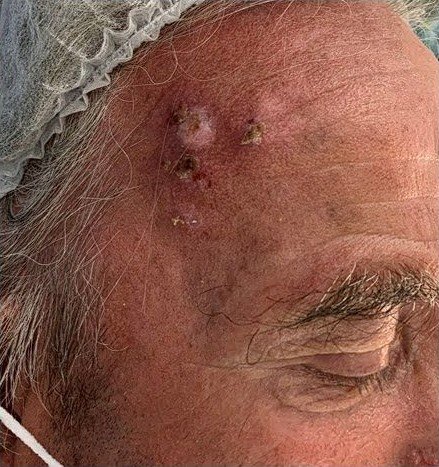
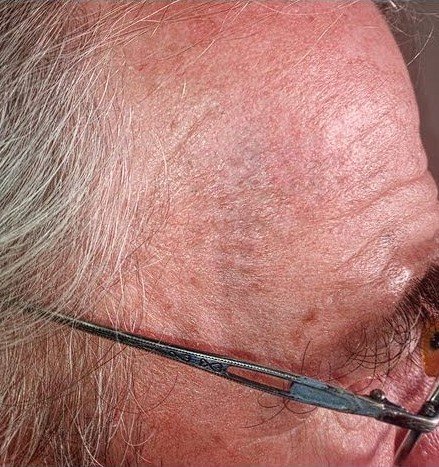
This case reflects what we usually see: progressive improvement and a simple recovery that improves patients' quality of life.
Forehead
Elderly patient with pain and bleeding. Complete response 2 months after a single treatment session.
Drag the line to see how it evolved. Image published with the patient's consent.
Read what our patients say
Reviews from people we have treated are published on our Google profile.
Where does GEM perform the treatment?
Medical centers
After the initial assessment at GEM, the place where the procedure will be performed is decided. In some cases the patient or their physician can choose their preferred institution.
Some of the Buenos Aires health centers where the treatment is performed:
- Sanatorio Otamendi
- Clínica Adventista de Belgrano
- Other centers, depending on each insurer's requirements.
Health insurance coverage
We support you through the whole coverage process in Argentina:
- Case presentation
- Formal medical justification
- Coverage request
- Appeal, if needed
Our team handles each step to make the process as simple as possible for patients and their families.
Frequently asked questions
Does electrochemotherapy hurt?
You will not feel pain during the procedure because anesthesia is used, similar to that for a colonoscopy. Afterwards you may feel mild discomfort or twinges for a few days, which are usually temporary and managed with common painkillers.
How many sessions are needed?
In most cases a single session is enough. Very large or multiple lesions may need an additional session, and more can safely be performed if needed.
How long does it take and when do I go home?
It is performed in an operating room and takes 20 to 40 minutes, depending on the size and location of the lesion. It is an outpatient procedure: you go home the same day with simple care instructions.
When will I see results?
The lesion shrinks progressively during the first weeks. The response starts to become evident at around 30 days, although each case is assessed individually.
What side effects can occur?
The most common are redness, mild pain, moderate swelling and small crusts in the treated area. Serious side effects are uncommon; even so, each case is reviewed beforehand at the medical consultation.
How do I know if I am a candidate?
We assess you at a medical consultation, considering the type of lesion, its size and location, previous treatments and your general health. With that information we decide whether electrochemotherapy is suitable and safe for you.
What records should I bring to the consultation?
Ideally:
- Biopsy or pathology report
- Imaging studies
- Photos of the lesion
- Information on previous treatments
If you do not have them, we can still guide you on the next steps.
What is recovery like after treatment?
Recovery is usually simple. In most cases patients go home the same day and resume usual activities within the first few days.
Aftercare includes keeping the area clean and dry, not picking at the crusts and attending scheduled check-ups. Each patient receives personalized instructions.
How long until I see cosmetic improvement?
The skin usually improves progressively over the following weeks. In many sensitive areas (nose, eyelid, ear, lips) the cosmetic result is better than with more invasive therapies.
Does health insurance cover electrochemotherapy?
In Argentina we work with the main private insurers and social health plans and help you obtain authorization. The treatment has scientific and regulatory backing, which makes it easier to present the case to the insurer's medical review. Patients from other countries can contact us about available options.
Can it be used in older people or patients with other conditions?
Yes, in many cases it is a safe alternative, especially for patients at high surgical risk. The decision is always made individually.
Would you like to know whether this treatment is right for you?
Tell us about your case. We reply by WhatsApp or email, with guidance from our medical team.