
Una alternativa segura y efectiva para tratar el cáncer de piel
Un tratamiento ambulatorio, preciso y diseñado para mejorar su calidad de vida, incluso cuando otras opciones no dieron resultado.
Electroquimioterapia: una alternativa segura y efectiva para tratar el cáncer de piel
Un tratamiento ambulatorio, preciso y diseñado para mejorar su calidad de vida, incluso cuando otras opciones no dieron resultado.
¿Qué se puede tratar con Electroquimioterapia?
La electroquimioterapia es una opción de tratamiento para pacientes con cáncer de piel o debajo de ella, incluyendo también lesiones ubicadas en zonas específicas del cuerpo, como la boca o la región anogenital. En algunos casos, este tratamiento también puede utilizarse para tratar tumores benignos, como queloides o cicatrices hipertróficas.
Se considera un método con potencial para tratar lesiones en distintas áreas del cuerpo y diferentes tipos tumorales, aunque algunas regiones pueden presentar mayores beneficios clínicos según el caso.
POR ZONA CORPORAL
Cabeza y Cuello

La región de cabeza y cuello engloba estructuras muy sensibles y fundamentales para la vida de las personas. La electroquimioterapia brinda ventajas particulares para el tratamiento de esta zona, considerando que se preserva el tejido sano, manteniendo la función de las estructuras, con una recuperación breve.
Tumores en esta localización a menudo requieren cirugías complejas, con tiempos prolongados de recuperación. En casos en los que la persona no está en condiciones de realizar la cirugía o afrontar su recuperación adecuadamente, la electroquimioterapia es una excelente opción.
Aunque las lesiones sean de pequeño tamaño, pueden ser difíciles de tratar, o incluso ser necesarios márgenes amplios. Con la electroquimioterapia es posible tratar tumores extendidos, o que comprometen la primera parte del conducto lagrimal, con muy buenos resultados.
Esta localización es particularmente sensible ya que afecta profundamente la estética de la persona. La electroquimioterapia preserva el tejido sano, pudiendo tratarse tumores en esta localización, preservando al máximo la apariencia.
Las orejas no solamente presentan un desafío estético para su tratamiento, sino que también funcional, ya que intervienen en la audición e incluso en aspectos tan corrientes de la vida como sujetar un par de lentes. Preservar el tejido sano en esta área es fundamental para preservar su función y aspecto.
El tratamiento de la boca siempre es un gran desafío, debido a su anatomía compleja y cantidad de estructuras que pueden estar comprometidas. En el caso de la electroquimioterapia se dispone de electrodos especiales para tratar tumores de muy difícil acceso en esta localización.
Es una estructura sumamente compleja, que contiene estructuras muy importantes y delicadas. Esta zona se puede tratar con ayuda de métodos de imágenes para proteger las estructuras profundas que contiene.
Extremidades y tronco

Las extremidades y el tronco cumplen un rol central en la movilidad, la funcionalidad y la vida cotidiana de las personas. Las lesiones localizadas en estas zonas pueden afectar significativamente la autonomía, el trabajo y la calidad de vida, especialmente cuando requieren tratamientos prolongados o recuperaciones complejas.
La electroquimioterapia ofrece ventajas particulares en estas localizaciones, al permitir un tratamiento eficaz y localizado, preservando el tejido sano, facilitando una recuperación más rápida y favoreciendo el retorno temprano a las actividades habituales.
Las lesiones localizadas en las manos son complejas, debido al gran impacto que tienen en la vida cotidiana de las personas, en su estética y su importancia para el trabajo. La electroquimioterapia es una opción rápida y efectiva para retornar rápidamente a los quehaceres de la vida diaria.
Esta zona es de vital importancia para el desplazamiento y la calidad de vida de las personas. Lesiones extensas o profundas en esta zona requieren tiempos prolongados de recuperación; sin embargo, la electroquimioterapia puede ofrecer una alternativa de tratamiento rápida, permitiendo recuperar la movilidad de la persona en el menor tiempo posible.
Zona Anogenital

Es un área extremadamente sensible e importante para la intimidad y la calidad de vida de las personas.
Muchos pacientes rechazan otras terapias debido a las consecuencias funcionales que pueden generar en esta región, lo que limita la aceptación de opciones terapéuticas convencionales.
La preservación del tejido sano que ofrece la electroquimioterapia resulta clave para que el tratamiento sea aceptable, manteniendo la función y la calidad de vida del paciente.
POR TIPO DE LESIÓN
Carcinoma Basocelular

Es el tipo más frecuente de cáncer de piel. Se origina en las células basales de la epidermis y suele aparecer en zonas expuestas al sol, como rostro, cuello y manos, en forma de bulto perlado, parche enrojecido o llaga que no cicatriza.
Crece lentamente y rara vez se disemina, pero puede invadir tejidos cercanos si no se trata. En la Comunidad Europea, la electroquimioterapia puede considerarse una primera opción de tratamiento en determinados casos, debido a su alta tasa de respuesta y bajo perfil de efectos adversos.
Carcinoma Espinocelular

Es el segundo tipo más común de cáncer de piel. Se origina en las células escamosas y suele relacionarse con la exposición prolongada al sol. Aparece con mayor frecuencia en cara, manos, orejas o labios, como manchas rojas, nódulos, úlceras o costras que no cicatrizan.
Aunque generalmente crece de forma lenta y es tratable, puede comprometer tejidos profundos si no se detecta a tiempo. La electroquimioterapia es una excelente alternativa cuando la cirugía o la radioterapia resultan complejas o no son aceptadas por sus consecuencias funcionales o estéticas.
Melanoma

Es el tipo más agresivo de cáncer de piel. Se origina en los melanocitos y, aunque es menos frecuente, puede diseminarse rápidamente si no se detecta a tiempo.
La electroquimioterapia cobra relevancia cuando se han agotado otras opciones terapéuticas y es especialmente efectiva en pacientes que reciben o han recibido inmunoterapia.
Queloides

Son cicatrices que crecen de manera exagerada más allá de la herida original, como resultado de una respuesta excesiva del proceso de cicatrización. Pueden generar picazón, dolor o incomodidad estética.
En casos seleccionados, la electroquimioterapia puede ser una opción de tratamiento muy efectiva, especialmente cuando se localizan en las orejas.
Otros
Dado que la electroquimioterapia actúa sobre tejidos con crecimiento descontrolado, es posible evaluar su uso en otros tipos de lesiones, tanto benignas como malignas, analizando cada caso de manera individual.
¿En qué casos este tratamiento puede serle útil?
La electroquimioterapia es una opción terapéutica destinada a pacientes con cáncer de piel, incluso si presentan dolor, sangrado o molestias. También es útil para pacientes que no han respondido adecuadamente a otros tratamientos. Nuestro objetivo es acompañarlo con una alternativa que combine eficacia, seguridad y bienestar.
La lesión afecta su vida diaria o produce incomodidad.
No es candidato a una cirugía o tratamiento más invasivo.
La lesión está en una zona que requiere preservar función o estética.
Ya recibió otros tratamientos sin obtener el resultado esperado.
Tiene múltiples lesiones o una lesión extensa.
¿Cómo funciona este tratamiento en su caso?
La electroquimioterapia brinda beneficios específicos dependiendo de la localización y tipo de lesión. Agende una consulta para conocer los beneficios específicos para su caso particular.
¿Por qué considerar esta opción como parte de su tratamiento?
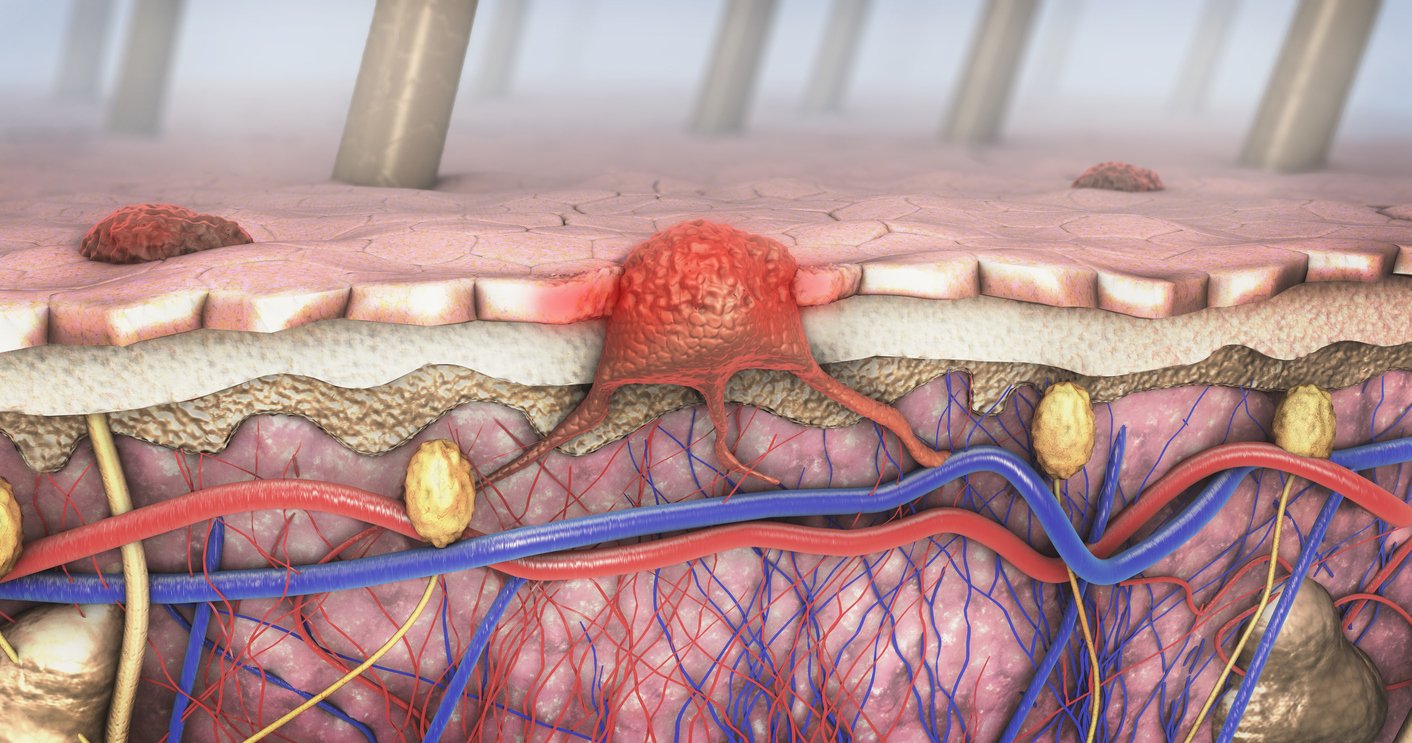
La electroquimioterapia permite que el medicamento antitumoral actúe de forma más efectiva directamente sobre la lesión. Esta técnica aumenta más de 1000 veces la concentración del fármaco dentro del tumor, preservando el tejido sano.
Procedimiento rápido
y ambulatorio
Se realiza en corto tiempo y no requiere hospitalización prolongada.
Aplicación
Segura
Se realiza con una anestesia similar a la utilizada para una colonoscopia.
Resultados
en poco tiempo
En la mayoría de los casos, una sola sesión es suficiente para ver resultados.
Compatible con
otros tratamientos
Puede combinarse con terapias oncológicas ya indicadas para el paciente.
Recuperación
simple
No requiere internación, lo que permite retomar actividades en poco tiempo.
Mejora el bienestar
del paciente
Ayuda a disminuir la lesión, aliviar síntomas y favorecer una mejor calidad de vida.
El Proceso Paso a Paso
Queremos que tenga claridad sobre cada etapa del tratamiento:
Evaluación del caso
Analizamos la lesión, su historia clínica y los tratamientos previos. Definimos si la electroquimioterapia es adecuada para su caso.
Planificación técnica
Decidimos el tipo de anestesia y el modo más efectivo de realizar el procedimiento.
El día del tratamiento
El procedimiento dura menos de 1 hora y se realiza en quirófano.
Se debe concurrir en ayunas el día del procedimiento.
Es ambulatorio, por lo que se retira a su casa el mismo día.
En la mayoría de los casos, una única sesión alcanza para lograr el efecto buscado.
Controles posteriores
Usted volverá a sus actividades habituales dentro de los primeros días posteriores al tratamiento.
La lesión se evalúa periódicamente, cada 15 o 30 días, hasta observar la respuesta completa. Se determinará si es necesario repetir el tratamiento en función de la evolución.
Evaluación del caso
Analizamos la lesión, su historia clínica y los tratamientos previos. Definimos si la electroquimioterapia es adecuada para su caso.
Planificación técnica
Decidimos el tipo de anestesia y el modo más efectivo de realizar el procedimiento.
El día del tratamiento
El procedimiento dura menos de 1 hora y se realiza en quirófano.
Se debe concurrir en ayunas el día del procedimiento.
Es ambulatorio, por lo que se retira a su casa el mismo día.
En la mayoría de los casos, una única sesión alcanza para lograr el efecto buscado.
Controles posteriores
Usted volverá a sus actividades habituales dentro de los primeros días posteriores al tratamiento.
La lesión se evalúa periódicamente, cada 15 o 30 días, hasta observar la respuesta completa. Se determinará si es necesario repetir el tratamiento en función de la evolución.
Nuestros Resultados
Estos casos representan lo que solemos observar: una mejoría progresiva y una recuperación simple, que mejora la calidad de vida de los pacientes. Compartimos algunos ejemplos de casos tratados con electroquimioterapia:
Carcinoma basocelular detrás de la oreja:
Resultado estético y funcional óptimo luego de una sesión.
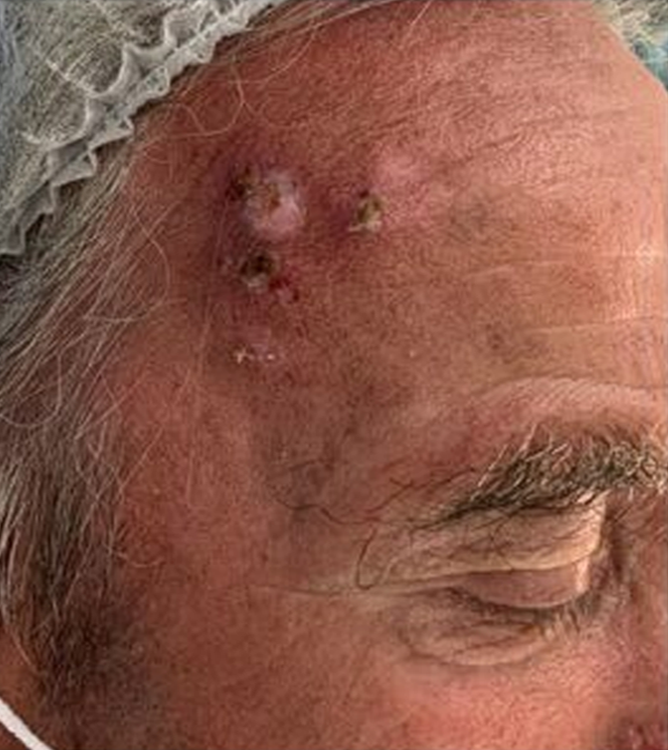
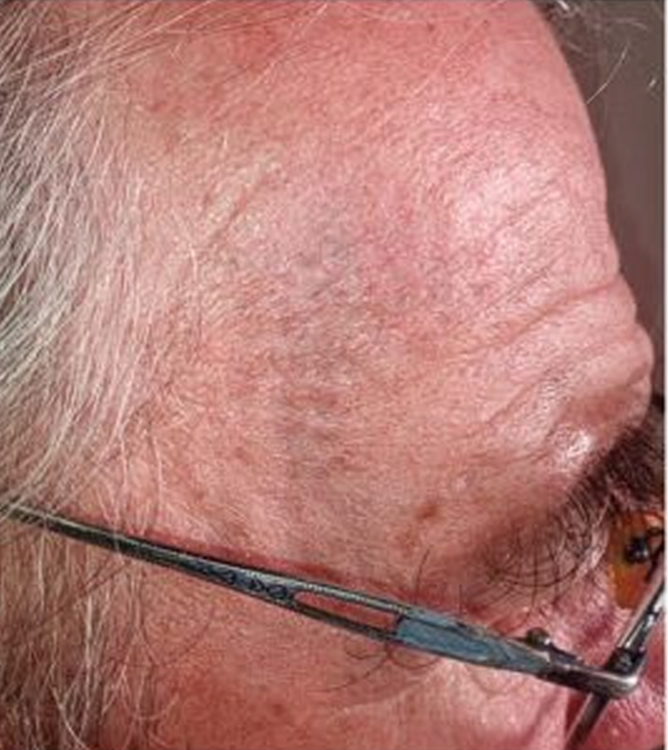
Carcinoma escamoso en la frente (paciente de edad avanzada):
Antes presentaba dolor y sangrado; tras una sesión, se observó una resolución completa de la enfermedad.
Nuestros Resultados
Estos casos representan lo que solemos observar: una mejoría progresiva y una recuperación simple, que mejora la calidad de vida de los pacientes. Compartimos algunos ejemplos de casos tratados con electroquimioterapia:
Carcinoma basocelular detrás de la oreja:
Resultado estético y funcional óptimo luego de una sesión.
Carcinoma escamoso en la frente (paciente de edad avanzada):
Antes presentaba dolor y sangrado; tras una sesión, se observó una resolución completa de la enfermedad.
¿Dónde realiza el tratamiento GEM?
Centros Médicos
Luego de la evaluación inicial en GEM, se define el lugar donde se realizará el procedimiento.
En algunos casos, el paciente o su médico puede seleccionar la institución de su preferencia.
Algunos de los centros de salud donde se realiza el tratamiento son:
- Sanatorio Otamendi
- Clínica Adventista de Belgrano
- Otros centros según requerimientos de cada obra social o prepaga.
Cobertura con Prepagas y Obras Sociales
Lo acompañamos durante todo el proceso de cobertura del tratamiento, incluyendo:
- Presentación del caso
- Justificación médica formal
- Solicitud de cobertura
- Apelación en caso necesario
Dé el primer paso con nosotros
Si tiene una lesión que lo preocupa, un diagnóstico reciente o un tratamiento previo sin resultados, podemos evaluar su caso de manera personalizada.
La consulta inicial nos permite definir si la electroquimioterapia es la opción adecuada para su caso.
Preguntas frecuentes de pacientes
Durante el procedimiento no se siente dolor, ya que se utiliza anestesia, similar a la que se usa para realizar una colonoscopia.
Luego, es posible experimentar una molestia leve o sensación de puntadas durante unos días, que suele ser transitoria y manejable con analgésicos comunes.
Los más frecuentes son enrojecimiento, dolor leve, inflamación moderada y pequeñas costras en el área tratada.
No es frecuente ver efectos adversos graves; sin embargo, se analiza cada caso previamente en la consulta médica.
Lo evaluamos en una consulta médica.
Consideramos el tipo de lesión, su tamaño, localización, tratamientos previos y tu estado general de salud.
Con esa información definimos si la electroquimioterapia es adecuada y segura para usted.
Idealmente:
- Biopsia o informe anatomopatológico
- Estudios de imágenes
- Fotografías de la lesión
- Información sobre tratamientos previos
Si no los tiene, igualmente podemos orientarlo en los pasos a seguir.
La recuperación suele ser simple.
En la mayoría de los casos, el paciente se retira a su casa el mismo día del procedimiento y puede retomar sus actividades habituales dentro de los primeros días.
Los cuidados posteriores incluyen mantener la zona limpia y seca, evitar manipular las costras y asistir a los controles médicos indicados.
Cada paciente recibe indicaciones personalizadas según su caso.
La piel suele mejorar progresivamente durante las semanas posteriores.
En muchas áreas sensibles (nariz, párpado, oreja, labios) el resultado estético es superior al de otras terapias más invasivas.
Trabajamos con las principales prepagas y obras sociales del país, y brindamos apoyo para gestionar la autorización.
El tratamiento cuenta con respaldo científico y normativo, lo que facilita la presentación del caso ante la auditoría médica.
Sí, en muchos casos es una alternativa segura, especialmente en pacientes con riesgo quirúrgico elevado.
La decisión siempre se toma de forma personalizada.